Archives 2026

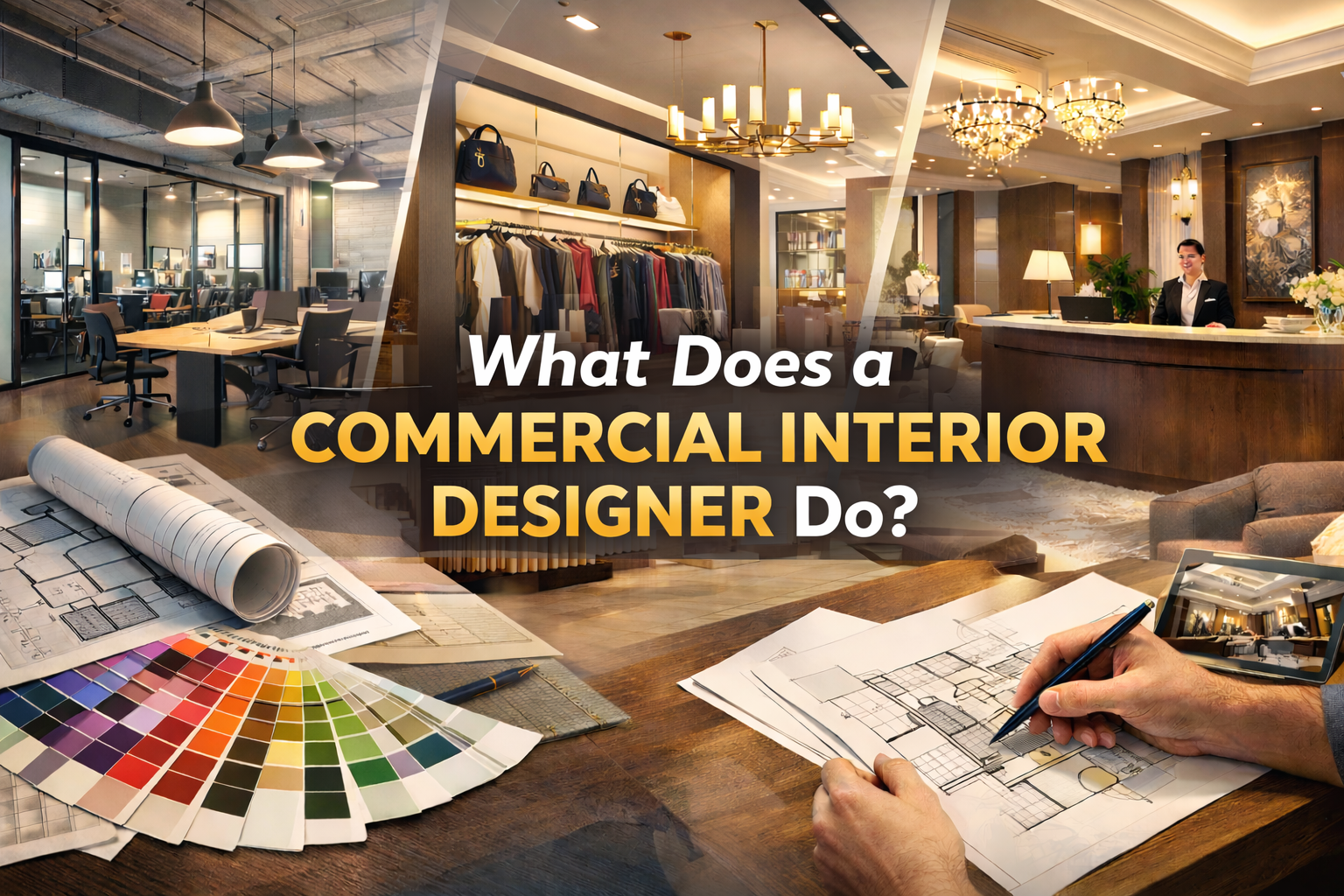
What Does a Commercial Interior Designer Do

What Does a Commercial Interior Designer Do?: A Complete Guide to Their Role, Responsibilities, and Real-World Impact

Home ยป Archives for 2026

When you walk into a well-designed office, a thoughtfully arranged retail store, or a calming healthcare clinic, you may not immediately think about the person behind the layout. Yet every functional corridor, ergonomic workstation, inviting reception area, and strategically lit product display is the result of careful planning. Check What Does a Commercial Interior Designer Do Under the Article.

So what does a commercial interior designer actually do?

In simple terms:

A commercial interior designer plans, designs, and manages the creation of functional, safe, and brand-aligned spaces for businesses and public environments.

But the full answer is much deeper. Their work combines creativity, psychology, technical expertise, project coordination, and business strategy. Letโ€™s explore this role in detail.


Understanding Commercial Interior Design

Before diving into responsibilities, itโ€™s important to clarify what โ€œcommercialโ€ means in this context.

Commercial interior design focuses on non-residential spaces such as:

  • Corporate offices
  • Retail stores
  • Restaurants and cafรฉs
  • Hotels
  • Healthcare facilities
  • Educational institutions
  • Co-working spaces

Unlike residential design, which centers on personal comfort, commercial design prioritizes efficiency, compliance, branding, and user experience.

In growing business hubs like Greater Noida, commercial development is accelerating. As companies expand, the demand for structured and professionally designed commercial spaces continues to rise.


The Core Responsibilities of a Commercial Interior Designer

1. Understanding the Clientโ€™s Business and Vision

The first responsibility of a commercial interior designer is listening.

Before creating layouts or selecting materials, they must understand:

  • What does the company do?
  • How many employees use the space?
  • What impression should customers have?
  • What workflows must be supported?
  • What is the brand identity?

For example:

  • A tech startup may need open collaboration zones.
  • A law firm may require private cabins and formal aesthetics.
  • A retail store may prioritize product visibility and customer flow.

Design must align with business objectives. Experienced firms like Arch Stone Interiors begin projects with detailed consultations to ensure every design decision supports operational goals.


2. Strategic Space Planning

Space planning is one of the most critical aspects of the job.

A commercial interior designer determines:

  • How people move through the space
  • Where departments should sit
  • How to maximize usable square footage
  • Emergency exit placement
  • Accessibility requirements

Poor planning can create confusion, wasted space, and reduced productivity.

Good planning improves:

  • Workflow efficiency
  • Communication between teams
  • Customer navigation
  • Safety compliance

In rapidly expanding regions like Greater Noida, where commercial properties are being developed quickly, efficient space utilization is especially important.


What Does a Commercial Interior Designer Do

3. Creating the Design Concept

Once functional needs are understood, the designer develops a cohesive concept.

This may include:

  • Mood boards
  • Color schemes
  • Lighting concepts
  • Furniture style direction
  • Material palette

The concept sets the tone for the entire project.

For instance:

  • A luxury retail outlet may use warm lighting and rich textures.
  • A wellness clinic may incorporate soft tones and natural elements.
  • A creative agency may adopt bold colors and flexible layouts.

Commercial interior designers translate abstract brand values into physical space.


4. Integrating Brand Identity into the Interior

A commercial space is a silent ambassador for a brand.

Designers ensure that:

  • Colors reflect brand guidelines
  • Logo placement is subtle yet impactful
  • Spatial themes align with company culture
  • Materials reinforce brand positioning

For example, a premium brand might use marble, brass finishes, and soft ambient lighting. A sustainability-focused company might use recycled materials and biophilic design.

Brand integration is one of the most strategic parts of the role.


5. Ensuring Compliance and Safety

Commercial interior designers must understand building codes and legal regulations.

They ensure compliance with:

  • Fire safety standards
  • Emergency exits
  • Accessibility guidelines
  • Electrical and HVAC systems
  • Structural safety requirements

This technical knowledge separates commercial designers from residential ones.

Non-compliance can result in fines, operational delays, or safety hazards. Designers act as safeguards against such risks.


6. Selecting Durable Materials and Furniture

Also Check Role of a Commercial Interior Designer

Commercial environments experience heavy daily use.

Designers choose materials based on:

  • Durability
  • Maintenance requirements
  • Budget constraints
  • Aesthetic impact
  • Environmental sustainability

For example:

  • Commercial-grade flooring
  • Ergonomic office chairs
  • Acoustic wall panels
  • Scratch-resistant laminates

Every selection balances beauty with practicality.


7. Managing Budgets and Costs

A commercial interior designer does not simply design โ€” they plan financially.

They:

  • Estimate project costs
  • Compare vendor quotations
  • Suggest alternatives if needed
  • Allocate budget strategically

Smart budgeting prevents overspending and reduces unexpected expenses.

In competitive markets like Greater Noida, cost efficiency is often as important as visual appeal.


8. Coordinating with Contractors and Vendors

Commercial interior projects involve many professionals:

  • Architects
  • Structural engineers
  • Electricians
  • Carpenters
  • HVAC specialists
  • Furniture suppliers

The designer acts as the central coordinator, ensuring that:

  • Designs are implemented accurately
  • Timelines are followed
  • Quality standards are maintained

Without strong coordination, projects can face delays and cost overruns.

Firms such as Arch Stone Interiors often emphasize structured execution and vendor collaboration to maintain design integrity.


9. Supervising Project Execution

During implementation, the designer may:

  • Conduct site visits
  • Approve material samples
  • Review installation progress
  • Solve on-site challenges

Unexpected issues are common in construction. A commercial interior designer must adapt quickly and find practical solutions without compromising design intent.


10. Enhancing User Experience

Commercial interior design is deeply human-centered.

Designers consider:

  • Employee comfort
  • Customer journey
  • Accessibility
  • Noise levels
  • Lighting comfort

For example:

  • Proper lighting reduces eye strain.
  • Acoustic treatment improves concentration.
  • Clear signage enhances navigation.

A well-designed commercial space improves both efficiency and emotional comfort.


11. Incorporating Technology

Modern commercial interior designers integrate technology such as:

  • Smart lighting systems
  • Automated climate control
  • Digital display panels
  • Video conferencing zones

Technology enhances productivity and user convenience.


12. Promoting Sustainability

Sustainability is becoming a core responsibility.

Designers now prioritize:

  • Energy-efficient lighting
  • Eco-friendly materials
  • Waste reduction strategies
  • Low-VOC paints
  • Water-saving fixtures

Green design benefits businesses by reducing operational costs and improving indoor air quality.


Why Hiring a Commercial Interior Designer Matters

Many businesses wonder if they truly need a professional designer.

Hereโ€™s why they do:

  • Prevent costly mistakes
  • Ensure compliance
  • Improve productivity
  • Strengthen brand identity
  • Optimize space usage
  • Enhance employee satisfaction

Commercial interior designers add value beyond aesthetics โ€” they improve business performance.


A Day in the Life of a Commercial Interior Designer

A typical day might include:

  • Client meetings
  • Reviewing CAD drawings
  • Visiting construction sites
  • Approving vendor proposals
  • Coordinating with engineers
  • Revising layouts

The role requires creativity, technical skill, and leadership.


Common Questions

What does a commercial interior designer do daily?
They plan layouts, coordinate with contractors, manage budgets, ensure compliance, and oversee execution.

Is a commercial interior designer the same as an architect?
No. Architects focus on structural design, while interior designers focus on interior space planning and functionality.

How long does a commercial interior project take?
It depends on project size, scope, and regulatory approvals.

Are commercial interior designers worth hiring?
Yes. They help prevent mistakes, improve functionality, and enhance brand image.


The Growing Importance in Emerging Business Hubs

As cities like Greater Noida continue to grow, commercial infrastructure is expanding rapidly.

Businesses now understand that:

  • Workspace design affects employee retention
  • Retail layout impacts sales
  • Hospitality ambiance influences guest reviews

Professional commercial interior design is no longer optional โ€” it is strategic.


Final Thoughts

So, what does a commercial interior designer do?

They:

  • Listen to business goals
  • Plan functional layouts
  • Develop cohesive design concepts
  • Ensure safety compliance
  • Coordinate construction teams
  • Manage budgets
  • Improve user experience

They blend creativity with structure, aesthetics with compliance, and vision with execution.

In developing commercial landscapes and modern business districts, commercial interior designers play a crucial role in shaping how organizations function and how people experience space.

Companies such as Arch Stone Interiors reflect how commercial interior design can be practical, thoughtful, and strategically aligned with business needs โ€” without losing the human element.

Ultimately, commercial interior designers donโ€™t just design spaces.

They design how businesses live, operate, and grow within those spaces.

This is it in this article Check more Details About Interior Design on Arch Stone Interiors.
Commercial Interior Designers

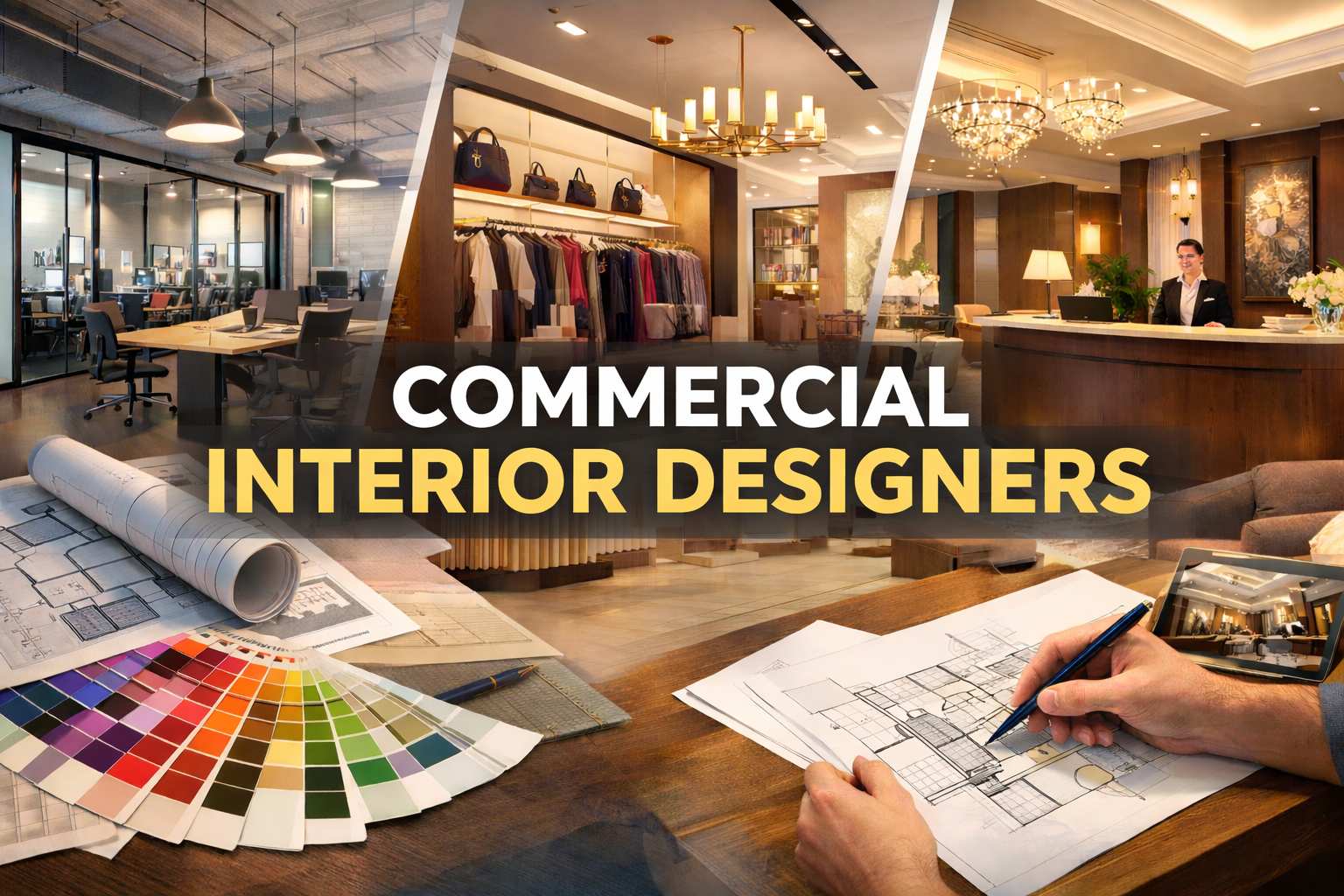
Commercial Interior Designers: Who They Are, What They Do, and Why They Matter More Than Ever

Home ยป Archives for 2026

Walk into a thoughtfully designed office, a premium retail store, or a welcoming hotel lobby, and youโ€™ll immediately sense the difference. The lighting feels right. The layout makes sense. The space reflects the brand. It works โ€” not just visually, but functionally. Check Commercial Interior Designers under the Article.

Behind such spaces are commercial interior designers โ€” professionals who combine creativity, technical knowledge, psychology, and project management to shape business environments that truly perform.

But what exactly do commercial interior designers do? Why are they important for modern businesses? And how do they influence productivity, branding, and customer experience?

Letโ€™s explore in depth.


What Are Commercial Interior Designers?

Commercial interior designers are specialists who design interiors for business and public spaces rather than private homes. Their work spans:

  • Corporate offices
  • Retail outlets
  • Restaurants and cafรฉs
  • Hotels and hospitality spaces
  • Healthcare facilities
  • Educational institutions
  • Co-working environments

Unlike residential designers, commercial interior designers must think beyond comfort and aesthetics. They design spaces that must function efficiently for employees, impress clients, support workflows, comply with regulations, and endure heavy usage.

In fast-growing commercial hubs like Greater Noida, where businesses are expanding rapidly, the demand for professional commercial interior design has grown significantly.


What Do Commercial Interior Designers Actually Do?

If youโ€™re asking through voice search, hereโ€™s the simple answer:

Commercial interior designers plan, design, and manage business spaces to make them functional, safe, brand-aligned, and efficient.

Now letโ€™s break that down.


1. Understanding Business Goals

The process begins with understanding the clientโ€™s vision and business model. A commercial interior designer asks important questions:

  • What does your company do?
  • How do employees work?
  • What impression should customers have?
  • What is your growth plan?

Design decisions are driven by these answers.

For example:

  • A tech startup may require collaborative open workspaces.
  • A law firm may need privacy-focused layouts.
  • A retail brand may focus on product display psychology.

Experienced firms like Arch Stone Interiors often begin projects with deep consultations to align design strategy with business goals โ€” ensuring the space supports operations rather than complicates them.


2. Strategic Space Planning

One of the most important roles is space planning.

This includes:

  • Traffic flow management
  • Zoning (work areas, meeting rooms, lounge zones)
  • Emergency exit placement
  • Accessibility compliance
  • Efficient workstation arrangement

Poor space planning can lead to:

  • Congestion
  • Reduced productivity
  • Safety risks
  • Uncomfortable work environments

Good planning improves:

  • Collaboration
  • Movement efficiency
  • Customer navigation
  • Operational clarity

In commercial developments across Greater Noida, well-planned offices and retail spaces are increasingly seen as business assets rather than expenses.


Commercial Interior Designers

3. Brand Integration Through Design

Commercial interior designers are visual storytellers.

They translate brand identity into physical space using:

  • Color psychology
  • Material selection
  • Lighting design
  • Furniture style
  • Spatial layout

For instance:

  • A luxury brand may use marble finishes and warm lighting.
  • A creative agency may opt for bold colors and flexible furniture.
  • A healthcare clinic may prefer calming tones and natural textures.

Design becomes a silent brand ambassador.


Also Check Role of a Commercial Interior Designer

4. Technical Knowledge & Compliance

Commercial interior designers must understand building regulations and safety standards.

This includes:

  • Fire safety systems
  • Accessibility laws
  • Structural limitations
  • Electrical and HVAC coordination
  • Building code compliance

This technical expertise separates commercial designers from residential designers.

They work closely with:

  • Architects
  • Structural engineers
  • MEP consultants
  • Contractors

Ensuring that design ideas are not just beautiful โ€” but buildable and compliant.


5. Material Selection for Durability

Commercial spaces face heavy foot traffic. Materials must withstand wear and tear.

Designers consider:

  • Maintenance requirements
  • Longevity
  • Cost-effectiveness
  • Environmental impact

For example:

  • Commercial-grade flooring
  • Scratch-resistant laminates
  • Ergonomic office furniture
  • Acoustic panels for sound control

Durability protects investment and reduces long-term costs.


6. Human-Centered Design Approach

A truly skilled commercial interior designer designs for people โ€” not just for visual appeal.

They consider:

  • Employee comfort
  • Customer journey
  • Psychological impact
  • Ergonomics
  • Lighting comfort
  • Noise management

Modern offices increasingly prioritize:

  • Natural light
  • Biophilic design elements
  • Collaborative spaces
  • Wellness-focused layouts

These features improve productivity and well-being.


7. Project Management & Coordination

Commercial interior designers do not work alone.

They coordinate with:

  • Contractors
  • Vendors
  • Suppliers
  • Carpenters
  • Electricians
  • Site supervisors

They:

  • Review material samples
  • Inspect installation quality
  • Manage timelines
  • Monitor budgets
  • Solve on-site challenges

Strong coordination prevents delays and costly mistakes.

Firms such as Arch Stone Interiors often emphasize structured execution systems to maintain design integrity from concept to completion.


8. Budget Planning & Cost Optimization

Commercial interior designers help clients make smart financial decisions.

They:

  • Prepare cost estimates
  • Compare vendor quotations
  • Suggest alternative materials when needed
  • Prevent unnecessary spending

A good designer does not overspend. Instead, they allocate budget strategically โ€” focusing on high-impact areas.


9. Technology & Modern Tools

Todayโ€™s commercial interior designers use advanced tools like:

  • AutoCAD
  • 3D rendering software
  • Revit
  • Virtual walkthroughs
  • Space simulation tools

These tools allow clients to visualize projects before execution begins.

This reduces uncertainty and improves decision-making.


10. Sustainability & Future-Ready Design

Sustainability is no longer optional.

Commercial interior designers now incorporate:

  • Energy-efficient lighting
  • Eco-friendly materials
  • Low-VOC paints
  • Water-saving fixtures
  • Waste reduction strategies

Sustainable design benefits both the environment and long-term operational costs.

In developing commercial areas like Greater Noida, businesses are increasingly adopting green building principles.


Why Businesses Need Commercial Interior Designers

Hereโ€™s a quick summary:

Commercial interior designers help businesses:

  • Improve productivity
  • Enhance customer experience
  • Reflect brand identity
  • Ensure safety compliance
  • Optimize space usage
  • Increase property value

In competitive markets, design becomes a strategic advantage.


Common Misconceptions About Commercial Interior Designers

โ€œThey only decorate spaces.โ€

False. They plan, coordinate, manage, and solve complex spatial problems.

โ€œThey are expensive.โ€

In many cases, they save money by avoiding costly mistakes.

โ€œAny residential designer can do commercial projects.โ€

Not necessarily. Commercial design requires regulatory knowledge and technical expertise.


How to Choose the Right Commercial Interior Designer

When selecting a commercial interior designer, consider:

  • Portfolio of completed projects
  • Experience in your industry
  • Understanding of compliance requirements
  • Transparent pricing
  • Communication skills
  • Project management capability

Local expertise can also be valuable. Designers familiar with regional regulations and market conditions โ€” like those working across Greater Noida โ€” may navigate approvals more efficiently.


FAQ

What is a commercial interior designer?
A commercial interior designer plans and designs business spaces to ensure they are functional, safe, brand-aligned, and visually appealing.

What industries do commercial interior designers work in?
They work in offices, retail stores, hotels, healthcare facilities, restaurants, and educational institutions.

Why are commercial interior designers important?
They improve productivity, customer experience, brand identity, and regulatory compliance.

How long does a commercial interior project take?
It depends on project size, complexity, and approval processes.


The Human Side of Commercial Interior Design

Beyond plans and materials, commercial interior designers shape experiences.

They design:

  • Where employees spend most of their day
  • Where customers make buying decisions
  • Where guests form lasting impressions

A well-designed commercial space can:

  • Inspire creativity
  • Reduce stress
  • Increase sales
  • Build trust

This human impact is what makes the profession meaningful.


Final Thoughts

Commercial interior designers are strategic thinkers, creative problem solvers, and execution leaders. Their work sits at the intersection of art, engineering, psychology, and business.

As cities expand and commercial infrastructure grows โ€” especially in emerging hubs like Greater Noida โ€” the importance of well-designed business spaces continues to rise.

Companies that invest in thoughtful commercial interiors often see returns in productivity, employee satisfaction, and brand strength.

Professionals and firms such as Arch Stone Interiors illustrate how commercial interior design can be both aesthetically refined and operationally efficient โ€” blending creativity with structured execution.

Ultimately, commercial interior designers donโ€™t just shape spaces.
They shape how businesses function and how people feel within those spaces.

This is it in this Article Check more Details About Interior Design on Arch Stone Interiors.
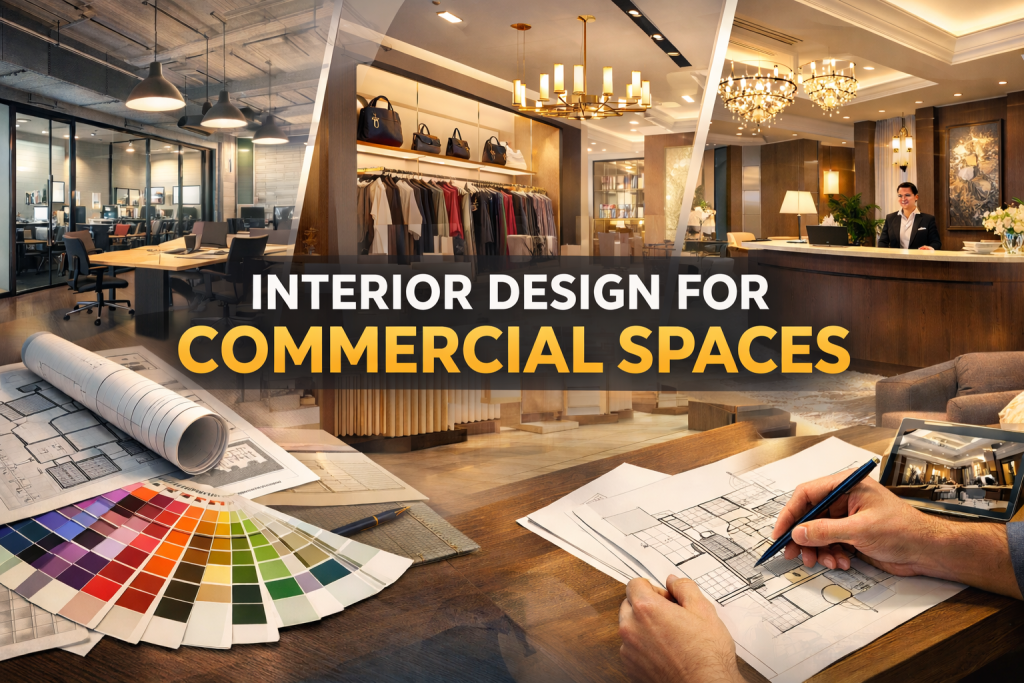
Interior Design for Commercial Spaces

Interior Design for Commercial Spaces in 2026

Home ยป Archives for 2026

Interior design for commercial spaces has evolved far beyond aesthetic appeal. Today, itโ€™s a strategic, human-centered discipline that enhances brand identity, boosts productivity, improves customer experience, and maximizes functional utility. Whether itโ€™s a corporate office, retail showroom, restaurant, hotel lobby, or co-working hub, thoughtful interior design is key to creating memorable and effective spaces.

In this guide, weโ€™ll explore:

  • What commercial interior design really means
  • Core principles and trends shaping it in 2026
  • How to plan and execute a successful commercial project
  • The role of space, lighting, ergonomics, materials, and branding
  • Real-world insights from Arch Stone Interiors in Greater Noida
  • Practical tips for small and large businesses

Letโ€™s begin.


1. What Is Commercial Interior Design?

Commercial interior design is the art and science of enhancing interior spaces for businesses. Unlike residential design, it must balance functionality, safety, brand identity, and a seamless experience for users โ€” employees, clients, customers, or guests.

Key Objectives of Commercial Design

  • Enhance productivity and comfort
  • Reinforce brand identity
  • Comply with safety and accessibility standards
  • Maximize space usage
  • Create memorable experiences
  • Support operational efficiency

For example, a thoughtfully designed office lounge encourages collaboration, while well-planned retail interiors increase customer dwell time โ€” leading to higher sales.


2. The Core Elements of Successful Commercial Interior Design

Whether designing a modern boutique or a corporate headquarters, five core elements define success:

A. Space Planning

Space planning ensures every square foot serves purpose. It answers key questions:

  • How do people move through the space?
  • Where should workstations, meeting areas, or displays be placed?
  • How can flow be optimized without crowding?

Good space planning reduces clutter, enhances circulation, and anticipates future needs โ€” especially in dynamic environments like co-working hubs or tech offices.

B. Functional Zoning

Commercial spaces work best when distinct functions have dedicated zones:

ZonePurpose
ReceptionFirst impression & customer welcome
WorkstationsProductivity & focus
Collaboration AreasMeetings & discussions
Breakout ZonesRelaxation & informal interaction
Service AreasStorage, utilities, support functions

Each zone should feel intentional โ€” blending flexibility with structure.

C. Lighting Design

Lighting is a powerful driver of mood, comfort, and focus.

  • Natural Light boosts productivity and wellness
  • Task Lighting supports focused work
  • Accent Lighting highlights features or brand elements
  • Ambient Lighting sets overall tone

An open-plan office in Greater Noida benefits from large windows and daylight harvesting, while a boutique cafรฉ leverages warm accent lighting to create a cozy ambiance.

D. Materials and Finishes

Commercial spaces demand materials that are:

  • Durable
  • Easy to maintain
  • Aesthetically cohesive
  • Safe and compliant

From polished concrete floors to acoustic wall panels, material choice influences both performance and perception.

E. Brand Expression

Commercial interior design is silent branding โ€” it tells your story without words.

For instance, a financial firm may choose sleek lines and muted tones for a professional aura. A creative startup might use vibrant colors and flexible layouts that reflect innovation.


3. Trending Now: 2026 Design Trends for Commercial Spaces

Design trends shift over time, often driven by technology, sustainability, and human needs. Hereโ€™s whatโ€™s leading the way in 2026:

Trend 1: Biophilic Design

Biophilia brings nature indoors โ€” plants, natural materials, organic shapes, and daylight โ€” improving comfort and well-being.

Questions people ask (voice search):

  • โ€œWhat is biophilic design in commercial interiors?โ€
  • โ€œHow does plants in office improve productivity?โ€

Answer: Research shows biophilic elements reduce stress and boost creativity โ€” vital for workplaces and hospitality spaces.

Trend 2: Flexible Workspaces

Post-pandemic work culture demands flexibility. Modular furniture, movable partitions, and adaptable meeting zones are now staples.

Trend 3: Smart and Integrated Technology

AI-enabled systems, occupancy sensors, and intuitive wayfinding enhance comfort and efficiency.

Example voice query:

  • โ€œHow do smart interiors save energy?โ€

Answer: Smart controls adjust lighting and HVAC based on usage, lowering energy cost.

Trend 4: Sustainable & Recycled Materials

Eco-friendly design is not a fad โ€” itโ€™s expected. Recycled timber, low-VOC paints, and sustainable textiles are mainstream.

Trend 5: Immersive Retail Experiences

Retail spaces are no longer purely transactional โ€” they are experiential. Digital interfaces, interactive zones, and โ€˜Instagrammableโ€™ design create engagement.


Interior Design for Commercial Spaces

4. The Interior Design Process: Step by Step

Designing commercial interiors involves multiple stages โ€” from concept to completion.

Step 1: Discovery and Briefing

This initial phase explores:

  • Client goals
  • Brand personality
  • Target users
  • Budget and timeline

For instance, in a recent Greater Noida office project, the client prioritized collaboration zones, wellness spaces, and acoustics โ€” setting clear expectations upfront.

Step 2: Concept Development

Here, designers craft mood boards, color palettes, and design narratives. Digital renderings help clients visualize possibilities before execution.

Step 3: Space Planning and Layout

Detailed layouts are created showing the position of walls, partitions, furniture, lighting, and equipment.

Step 4: Material Selection

Choosing material finishes, textiles, fixtures, and furniture that align with design intent, durability, and budget.

Step 5: Technical Documentation

Drawings, specifications, and engineering inputs are prepared for contractors and vendors โ€” essential for accurate execution.

Step 6: Execution & Project Management

On-site coordination ensures timelines are met, quality is maintained, and adjustments are handled efficiently.

A real case in Greater Noida handled by Arch Stone Interiors demonstrated seamless coordination between design, supplies, and execution โ€” delivering ahead of schedule without compromise on quality.

Step 7: Handover and Feedback

Final inspection and client walkthrough ensure satisfaction. Feedback helps refine future projects.

Also Check Role of a Commercial Interior Designer


5. Commercial Interiors by Type: Tailored Approaches

Different commercial spaces have unique design priorities. Letโ€™s explore key typologies.


A. Offices & Corporate Spaces

Modern offices prioritize comfort, flexibility, and productivity.

Key strategies:

  • Open zones + quiet pods
  • Ergonomic furniture
  • Acoustic dampening
  • Collaboration hubs

Voice search keywords people use:

  • โ€œWhat is ergonomic office design?โ€
  • โ€œHow to design a productive workspace?โ€

Answer: Prioritize adjustable desks, supportive chairs, natural lighting, and zoned floor plans to enhance focus and well-being.


B. Retail Stores

Retail space design is about engagement and conversion.

Best practices:

  • Clear circulation pathways
  • Strategic product focal points
  • Sensory lighting
  • Comfortable checkout zones

Real retail interiors in Greater Noida showcase how design elevates brand experience and drives customer decisions.


C. Restaurants & Hospitality

Ambience is everything in hospitality.

Design must consider:

  • Seating ergonomics
  • Acoustic comfort
  • Lighting rhythm (day vs night)
  • Efficient workflow for staff

Even flooring and texture choices influence perception of quality and cleanliness.


D. Healthcare & Clinics

Healthcare spaces demand comfort, hygiene, and calming environments.

Priorities:

  • Antimicrobial finishes
  • Clear signage
  • Patient privacy zones
  • Healing color schemes

E. Co-Working & Innovation Hubs

Co-working spaces thrive on flexibility.

Essentials include:

  • Modular seating
  • Tech-ready workstations
  • Quiet zones
  • Event areas

6. The Human Element: Designing for People, Not Spaces

Great commercial interior design goes beyond beauty โ€” it enhances human experience.

Comfort & Wellness

Design should support posture, reduce stress, and respect human rhythms.

Examples:

  • Adjustable lighting
  • Quiet zones for focus
  • Break areas that truly help staff recharge

Inclusivity & Accessibility

Spaces must be navigable for all โ€” including people with disabilities.

Design queries people ask:

  • โ€œWhat is inclusive design?โ€
  • โ€œHow to make commercial spaces accessible?โ€

Answer: Ramps, clear signage, tactile flooring, and proportionate furniture help create welcoming and inclusive environments.


7. Why Interior Design Matters for Business Success

Why do businesses invest in interior design?

1. Enhanced Productivity

Well-designed spaces reduce distractions and improve workflow.

2. Brand Integrity

Spaces reflect and reinforce brand values โ€” every corner communicates who you are.

3. Customer Experience

In retail or hospitality, experience drives loyalty and referrals.

4. Staff Retention

Comfortable, purposeful spaces improve employee satisfaction and retention.

Interior Design for Commercial Spaces

8. Case Insight: Arch Stone Interiors in Greater Noida

When discussing thoughtful, human-centric commercial interior design, Arch Stone Interiors in Greater Noida stands out for its balanced approach โ€” blending aesthetics, functionality, and user experience.

What makes a team like Arch Stone Interiors distinctive?

Holistic Design Philosophy

Rather than applying trends blindly, effective designers interpret them through the lens of client needs and local context.

Context-Driven Execution

Greater Noidaโ€™s growing commercial ecosystem demands design solutions that are:

  • Practical for evolving workplace norms
  • Economical without compromising quality
  • Sensitive to cultural and climatic needs

Versatility Across Projects

From corporate offices to retail hubs and boutique restaurants, successful interior designers adapt space strategies to each unique challenge.

Client Collaboration

Regular communication, transparent timelines, and iterative feedback loops ensure expectations are met โ€” and often exceeded.


9. Practical Tips for Choosing an Interior Designer

Here are criteria businesses commonly use to evaluate design professionals:

โœ” Portfolio relevance
โœ” Technical understanding
โœ” Ability to integrate branding
โœ” Experience with commercial standards
โœ” Budget transparency
โœ” Communication and responsiveness

Voice search phrase:

  • โ€œHow to choose an interior designer for commercial space?โ€

Brief answer: Look for demonstrated experience, clear process, transparent costs, and alignment with your business values.


10. FAQs

Q: Whatโ€™s the difference between commercial and residential interior design?
A: Commercial design prioritizes public functionality, brand expression, safety standards, and workflow optimization. Residential design focuses more on personal comfort and lifestyle preferences.

Q: What is the most important factor in commercial interior design?
A: Functionality โ€” followed closely by brand authenticity and user comfort.

Q: How long does a commercial interior project take?
A: Depending on scale, typically 8โ€“20 weeks including planning, approvals, and execution.

Q: How much does commercial interior design cost in India?
A: Costs vary based on size, materials, and customization โ€” small projects start low, while large corporate spaces require higher investment. Always get multiple quotes.

Q: What do commercial interior designers charge?
A: Designers may charge a flat design fee, a percentage of project cost, or an hourly rate.


11. Final Thought: The Transformative Power of Good Design

In todayโ€™s competitive landscape, commercial interior design isnโ€™t a luxury โ€” itโ€™s strategic business investment. It influences productivity, customer perception, brand experience, and organizational culture.

When done right โ€” as seen in projects by experienced teams, including those in Greater Noida โ€” design becomes an asset, not a cost.

If youโ€™re preparing for a commercial interior project, begin with clear goals, involve your stakeholders early, and prioritize solutions that are future-ready, flexible, and human-centered.

This is it in Interior Design for Commercial Spaces, Check more Details About Interior Design on Arch Stone Interiors.
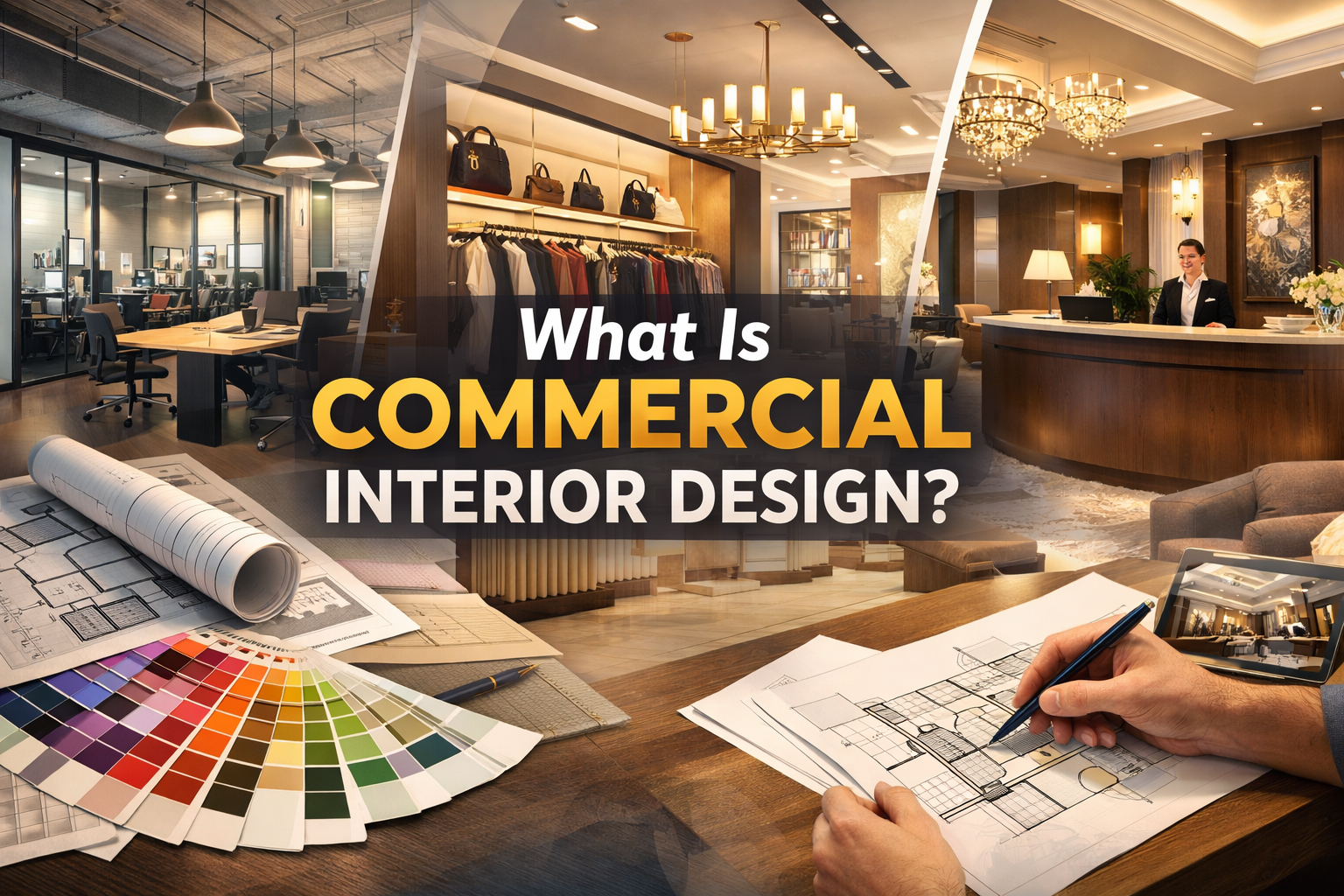
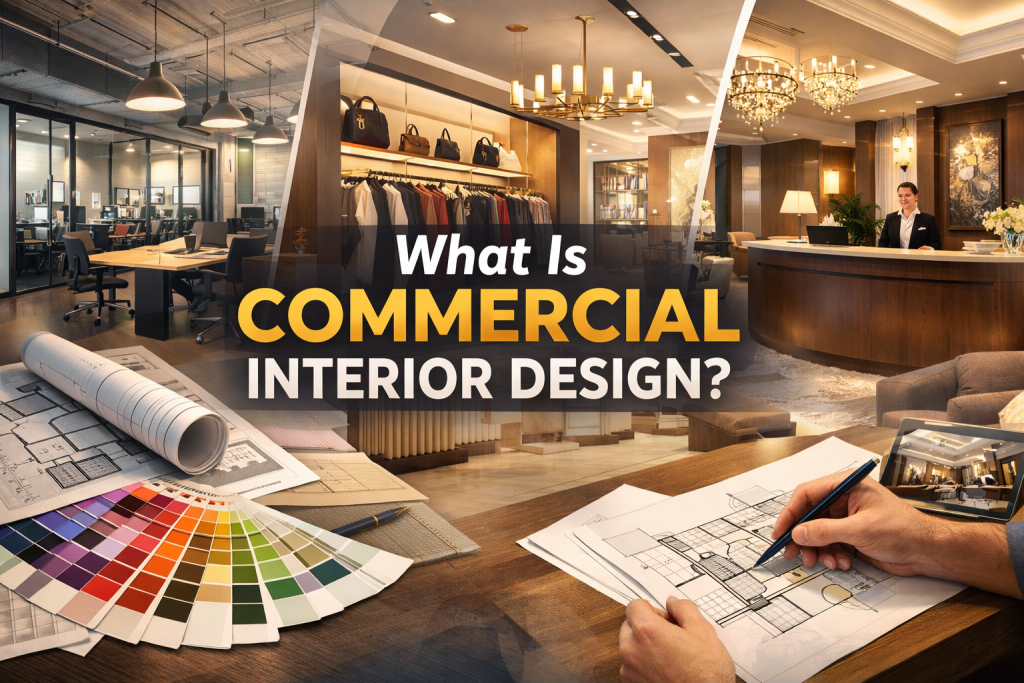
What Is Commercial Interior Design

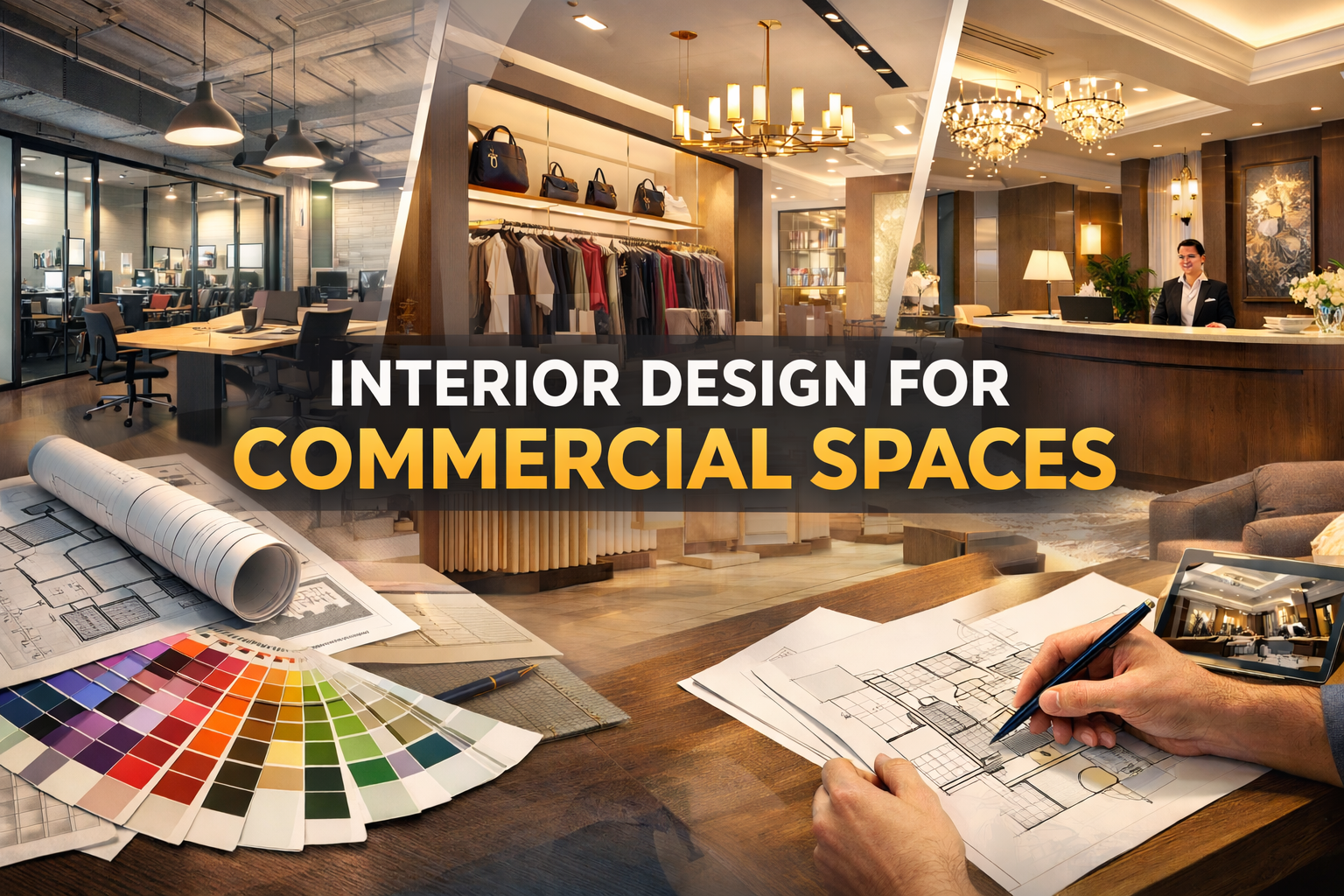
What Is Commercial Interior Design?

Home ยป Archives for 2026

Commercial interior design has become one of the most sought-after professions in the built environment industry. From corporate offices and restaurants to retail stores, hospitality spaces and healthcare facilities, commercial interior design shapes the spaces where people work, shop, eat, heal and gather. But what exactly is commercial interior design? How does it differ from residential design? Why is it important for business success? And how are firms like Arch Stone Interiors in Greater Noida contributing to the evolution of modern commercial spaces?

Letโ€™s explore all of this in a detailed, easy-to-understand, human-centric article that answers common questions, provides practical insights, and highlights real-world application.


1. What Is Commercial Interior Design?

Commercial interior design is the art and science of enhancing the interiors of commercial establishments to achieve a healthier, functional, and aesthetically pleasing environment. This type of design focuses on spaces used for public or business purposes โ€” places where people donโ€™t live but spend a significant amount of their time.

Unlike residential interior design, which centers on private homes, commercial design blends brand identity, user psychology, functionality, safety standards, and business goals to deliver spaces that support productivity, customer experience, and operational efficiency.

In essence, commercial interior design:

  • Creates functional and efficient layouts
  • Enhances comfort and user experience
  • Aligns interiors with branding and business messaging
  • Meets regulatory, accessibility, and safety standards
  • Considers long-term usage patterns and maintenance

For example, a corporate office layout designed by a specialist like Arch Stone Interiors in Greater Noida doesnโ€™t just choose furniture and finishes โ€” it studies how people move, work, interact, and what environments make them perform best.


2. The Scope of Commercial Interior Design

Commercial interior design is broad. It includes spaces such as:

a) Corporate Offices

Designing workspaces that foster productivity, collaboration, wellness, and focus โ€” from reception to meeting rooms and employee lounges.

b) Retail Stores

Brick-and-mortar retail environments where customer experience is paramount โ€” layout planning, display design, visual cues, lighting, and circulation design.

c) Restaurants, Cafรฉs & Bars

A hospitality-oriented design where ambience, acoustics, seating layouts, kitchen workflows, and branding converge to shape guest experience.

d) Healthcare Facilities

Clinics, hospitals, and outpatient centers designed with patient comfort, infection control, accessibility, and clear spatial wayfinding in mind.

e) Educational & Institutional Spaces

Schools, colleges, libraries where safety, focus, and collaborative learning environments are priorities.

f) Hotels & Resorts

Guest rooms, lobbies, public areas optimized for comfort, relaxation, service efficiency, and memorable experiences.

What Is Commercial Interior Design

3. Commercial vs Residential Interior Design

A common question is: How is commercial interior design different from residential?

Commercial DesignResidential Design
Focus on brand & business goalsFocus on personal style & comfort
High volume of users dailyLimited to household members
Must meet strict building codes & accessibility standardsMost codes are flexible
Durable, high-traffic materials neededComfort and aesthetics prioritized
Wayfinding, signage, safety systems includedNot typically needed
Catering to functionality for staff/customersCatering to personal lifestyle

For example, Arch Stone Interiors designing a workplace in Greater Noida will consider office zoning, acoustics, ergonomics, lighting for productivity, and employee well-being โ€” elements that are rarely prioritized in typical home interiors.


4. Core Principles of Commercial Interior Design

Even though each project is unique, commercial interior designers follow certain core principles:

a) Space Planning

Understanding how people will interact within a space. This includes placement of furniture, circulation pathways, and visual flow.

b) Functionality

Ensuring every design decision enhances usability โ€” whether a reception desk, workstation layout, or conference room acoustics.

c) Branding

The interior must reflect the companyโ€™s message and brand identity. Colors, materials, signage and thematic elements communicate brand values.

d) Lighting

Vital for mood, aesthetics and functionality. Task lighting, ambient lighting, and energy-efficient systems are designed strategically.

e) Materials & Finishes

Commercial spaces require durable, low-maintenance materials that are safe, compliant with regulations, and timeless.

f) Acoustics & Comfort

Sound control is vital in open offices, healthcare facilities, lounges, and restaurants. Designers account for noise reduction and comfort.

g) Safety & Compliance

Commercial spaces follow building codes, accessibility norms, fire safety standards, and ergonomics โ€” even before aesthetics are considered.

These principles are applied whether a firm is designing a cafรฉ in Delhi, a workspace in Noida, or a retail store in Greater Noida. A strategic process ensures design supports purpose.


5. The Process of Commercial Interior Design

Commercial design involves several key stages:

1. Client Consultation

Understanding business goals, target users, brand language, timeline, and budget.

2. Research & Programming

Gathering data about space usage, existing conditions, competitor environments, user expectations, and local regulations.

3. Concept Development

Sketches, mood boards, materials exploration, spatial zoning โ€” this stage creates the design direction.

4. Design Documentation

Detailed floor plans, elevations, specifications, technical drawings, and procurement schedules.

5. Execution & Project Management

Coordinating with contractors, suppliers, engineers, and on-site teams to supervise construction and installations.

6. Delivery & Evaluation

Final walkthrough, feedback integration, punch list checks, and training (if needed) for operational use.

These steps ensure strategic alignment from concept to completion. Firms like Arch Stone Interiors in Greater Noida use this thoughtful process to achieve design efficiency and meaningful experiences.


6. Why Commercial Interior Design Matters for Businesses

One might ask: Does interior design really impact business outcomes? The short answer: Absolutely.

Here are key ways commercial design matters:

a) Enhances Brand Identity

Commercial spaces communicate a companyโ€™s values to employees, customers, and partners โ€” often before words or logos do.

b) Improves User Experience

Functional layouts reduce friction, improve navigation, and make spaces easier and more enjoyable to use.

c) Boosts Productivity

Well-designed workspaces improve focus, reduce stress, facilitate collaboration, and support employee well-being.

d) Attracts Customers

Retail spaces with strategic layouts and captivating design encourage browsing, longer stays, and higher purchases.

e) Supports Safety & Compliance

Proper design ensures spaces meet legal and safety requirements, reducing risk and improving comfort.

f) Increases Business Value

Thoughtful designs often increase property value, reduce operational costs (through smart lighting and materials), and elevate brand perception.


7. Trends Shaping Commercial Interior Design in 2026

Design trends evolve with technology, social behavior, sustainability, and business needs. Some current directions include:

a) Flexible Workspaces

Modular zones that adapt to varying team sizes, activities, and work styles.

b) Biophilic Design

Integrating natural elements like plants, daylight, and natural materials to improve health and well-being.

c) Sustainable & Green Materials

Low VOC paints, recycled materials, energy-efficient lighting and systems.

d) Technology Integration

Smart lighting, sensor-based HVAC systems, automated controls, and digital collaboration tools.

e) Wellness-Centric Spaces

Dedicated break areas, ergonomic seating, quiet zones, and fitness support systems.

f) Immersive Retail Experiences

Retail environments moving beyond transactions into community spaces with interactive elements.

These trends reflect evolving expectations of employees, customers, and communities โ€” and are key to modern commercial design practice.


8. Case in Point: Commercial Design in Greater Noida

Greater Noida, a rapidly developing urban hub near Delhi NCR, has seen tremendous growth in commercial real estate โ€” from corporate parks and tech offices to retail centers and hospitality projects. With this growth, the demand for thoughtful commercial interior design has also increased.

Local firms and designers in Greater Noida are responding with innovative, contextual and user-focused interior solutions that balance global standards with regional sensibilities.

Among these contributors is Arch Stone Interiors, known for blending functional design with thoughtful aesthetics across commercial projects in the region โ€” whether office interiors, retail environments, or hospitality spaces.

What sets design work in Greater Noida apart today is:

  • A focus on efficient planning for dynamic work styles
  • Emphasis on sustainable, cost-effective materials
  • Integration of smart solutions for lighting and acoustics
  • Regional identity woven into branding and materials

Greater Noidaโ€™s commercial design scene mirrors the cityโ€™s growth: practical yet progressive, rooted in local context yet globally relevant.


9. Choosing the Right Commercial Interior Designer

Selecting the right design partner is crucial. Here are key criteria to consider:

โœ” Portfolio & Experience

Look for designers with experience in your industry and space type.

โœ” Understanding of Brand

The designer should translate your brand narrative into spatial experiences.

โœ” Process & Collaboration

Transparent communication, clear timelines, and client involvement matter.

โœ” Technical Expertise

Knowledge of codes, materials, sustainability practices, and modern technologies.

โœ” Budget Alignment

A good designer respects financial constraints while maximizing impact.

โœ” Ongoing Support

Post-installation support and maintenance guidance are valuable.

When choosing a commercial design partner in or around Greater Noida, itโ€™s beneficial to look at completed projects, client testimonials, and design approach โ€” elements that reveal a firmโ€™s capacity to deliver results that matter.

Also Check Role of a Commercial Interior Designer


10. Future of Commercial Interior Design

The future of commercial interior design will be defined by:

๐Ÿ”น Advanced Digital Tools

AI-assisted space planning, virtual reality walkthroughs, and real-time rendering tools.

๐Ÿ”น Health-First Environments

Post-pandemic design priorities continue to elevate ventilation, spatial distancing and hygiene.

๐Ÿ”น Flexible Adaptability

Designs that accommodate hybrid work models and shifting business needs.

๐Ÿ”น Personalized Experience

Spaces that adapt to individual users through technology and modular solutions.

๐Ÿ”น Sustainable Performance

Circular design, energy-efficient systems, and carbon footprint reduction.

Companies and designers who embrace this future will lead transformative change across workplaces, retail, hospitality, and beyond.


11. Summary: What Is Commercial Interior Design?

To recap:

Commercial interior design is a specialized discipline focused on creating functional, safe, and aesthetically compelling interiors for business and public spaces. It bridges design, psychology, brand identity, technology, and business strategy to craft environments that support both operational performance and meaningful human experiences.

From retail stores and offices to hospitals and restaurants, commercial interior design plays a critical role in how spaces look, feel, and function.

Cities like Greater Noida are at the forefront of this evolution, with dynamic growth driving demand for thoughtful, purpose-driven design.

And while many firms contribute to this field, organizations like Arch Stone Interiors exemplify how commercial design can blend creativity, practicality, and strategic thinking to serve modern business needs โ€” without losing focus on human experience.


12. FAQ

Q: What is commercial interior design?
A: Itโ€™s the practice of designing interiors for business and public spaces to enhance functionality, aesthetics, safety, and brand experience.

Q: How is commercial interior design different from residential?
A: It prioritizes business goals, compliance, high-traffic durability, and brand representation โ€” unlike residential design which focuses on personal comfort.

Q: Why is commercial interior design important for businesses?
A: It boosts productivity, enhances user experience, communicates brand identity, and improves operational efficiency.

Q: Where can I find commercial interior designers in Greater Noida?
A: Greater Noida has multiple experienced interior design firms; one example is Arch Stone Interiors, known for projects across corporate and retail sectors.

This is it in This Article Check more About Interior Design On Arch Stone Interiors.

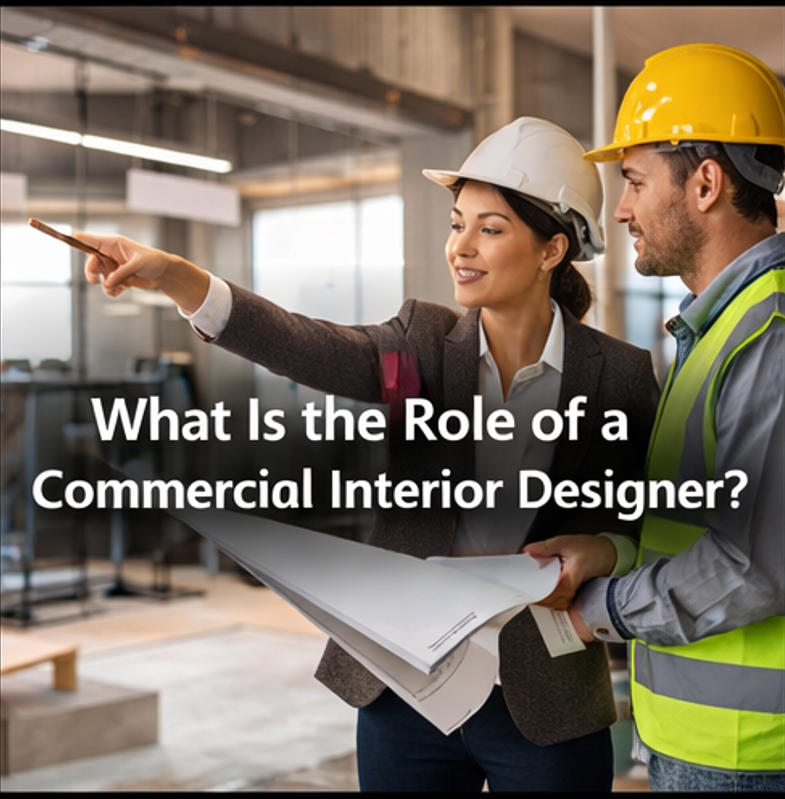
What Is the Role of a Commercial Interior Designer

What Is the Role of a Commercial Interior Designer?

Home ยป Archives for 2026

Understanding the Purpose, Impact & Function of Commercial Interior Design in Modern Business Spaces.In every thriving business โ€” whether a corporate office, retail outlet, hotel lobby, healthcare facility, or educational campus โ€” the spaces people interact with matter. Check What Is the Role of a Commercial Interior Designer? Under the Article.

Commercial spaces are not just physical places; they shape how employees work, how customers feel, and how brands communicate their values. At the heart of crafting such meaningful environments is the commercial interior designer.

But what exactly does a commercial interior designer do? What skills do they bring? Why are they essential? This article explores these questions in depth, tracing the role from initial planning through execution and delivery.


Introduction: More Than โ€˜Decorationโ€™

When most people hear the words โ€œinterior designer,โ€ they think of paint colors, furniture, or perhaps stylish aesthetics. In the commercial world, however, interior design is far more strategic. A commercial interior designer:

  • Solves functional problems
  • Enhances user experience
  • Integrates brand values into physical space
  • Ensures compliance with safety and accessibility standards
  • Coordinates complex execution teams

Essentially, they serve as the bridge between vision and built reality โ€” ensuring spaces are not only beautiful but purposeful.

This role has become especially significant in rapidly developing business hubs like Greater Noida, where companies are investing in thoughtful workspace planning as part of their growth strategy.

Also Read What Is Commercial Interior Design?


The Core Responsibility: Functional Planning Meets Aesthetic Vision

At the center of a commercial interior designerโ€™s role lies a blend of functionality and aesthetics. Their job is not art for artโ€™s sake โ€” it is design for real-world use.

1. Understanding Client Needs and Business Goals

The first step in any commercial interior design process is deep listening. Designers must understand:

  • What is the space for?
  • Who uses it?
  • What mood or atmosphere is desired?
  • What brand message must it communicate?
  • What workflows must be supported?

For instance, the requirements for a corporate office differ vastly from a boutique retail store. A commercial interior designer must translate business goals into spatial strategies.

Companies like Arch Stone Interiors work closely with stakeholders to absorb project intentions before any sketches are drawn โ€” ensuring design aligns with business functions.

2. Space Planning and Workflow Optimization

One of the most critical roles of a commercial interior designer is space planning โ€” determining how a space should be used and arranged for maximum efficiency.

Consider an office. A designer analyzes:

  • Circulation (how people move)
  • Zones (collaboration vs. solo work)
  • Proximity requirements (which teams sit near each other)
  • Support areas (meeting rooms, refreshment zones, lounges)

Effective space planning improves productivity, reduces confusion, and encourages better interaction โ€” reflecting how people actually use a workplace.

In retail spaces, space planning ensures customers move intuitively from displays to checkout, increasing dwell time and potential sales.

3. Concept Development & Design Strategy

Commercial interior designers create conceptual frameworks that guide all design decisions. This may include:

  • Mood boards
  • Spatial themes
  • Branding strategies
  • Color psychology plans
  • Lighting strategies

These concepts act like a narrative that drives the entire project.

For example, a wellness clinic in Greater Noida may require a calming palette with organic materials and natural lighting to promote comfort, whereas a tech startupโ€™s office may embrace bold colors and collaborative open spaces.

The designerโ€™s job is to combine client input with design expertise to build a visual and functional language for the space.


You May Like Interior Design for Commercial Spaces

Technical Expertise: Making Designs Work in the Real World

Beyond planning and aesthetics, a commercial interior designer must possess technical knowledge that ensures designs are buildable, safe, and compliant.

4. Compliance with Building Codes and Safety Standards

Commercial spaces are regulated by laws that govern:

  • Fire safety systems
  • Accessibility (ramps, door widths, signage)
  • Structural load and materials
  • Emergency exit planning
  • Electrical and HVAC requirements

Designers must understand these codes and incorporate them seamlessly into the layout. An office reception area may need specific fire exits, or a retail store may require tactile flooring for accessibility.

Compliance is not optional โ€” it is legal, moral, and essential for user safety.

5. Material and Product Selection

Commercial environments endure heavy usage. Durability, maintenance, and longevity are essential considerations.

Designers carefully select:

  • Flooring materials (vinyl, stone, carpet tiles)
  • Wall finishes (paint, laminates, acoustic panels)
  • Lighting systems
  • Furniture (ergonomic, durable)
  • Fixtures and fittings

Each choice affects cost, performance, and brand impression. For example, a high-end boutique might choose plush carpeting and matte finishes, while a hospital corridor might use antimicrobial materials for hygiene.

6. Technical Documentation and Drawings

Before construction begins, designers prepare detailed drawings:

  • Floor plans
  • Elevations
  • Sections
  • Furniture layouts
  • Mechanical & electrical schematics

These documents guide contractors and engineers, ensuring that the built space reflects the original design intent.

What Is the Role of a Commercial Interior Designer

Collaboration and Project Management: Keeping the Process on Track

A commercial interior designer serves as the central coordinator among many stakeholders.

Must Check Commercial Interior Designers

7. Coordinating with Architects and Engineers

Commercial projects often involve:

  • Architects
  • Structural engineers
  • MEP (mechanical, electrical, plumbing)
  • HVAC specialists
  • Lighting designers

Designers ensure that all technical systems work with the interior layout. For example, lighting must align with task zones, ductwork must fit within ceilings, and electrical points must support furniture placement.

This collaboration demands both technical understanding and communication skills.

8. Vendor and Contractor Management

Commercial designers regularly work with:

  • Furniture suppliers
  • Cabinet makers
  • Flooring installers
  • Lighting technicians
  • Site supervisors

They review shop drawings, ensure quality standards, and resolve issues in real time. Good designers anticipate problems before they become costly delays.

9. Budgeting and Timeline Control

A designerโ€™s role includes ensuring the project stays:

  • Within budget
  • On schedule
  • Without compromise to quality

They prepare cost estimates, evaluate bids, and help clients make informed decisions about trade-offs when budget constraints arise.


Human-Centric Design: Spaces That Feel Good to Use

Commercial interior design isnโ€™t only about efficiency. Itโ€™s also about how people experience space. A well-designed environment supports emotional well-being and comfort.

10. Ergonomics and User Comfort

Good commercial design considers:

  • Seat comfort
  • Desk height
  • Lighting levels
  • Thermal comfort
  • Sound management

For example, ergonomic chairs and adjustable desks in an office reduce fatigue and health issues. Acoustic treatment in meeting rooms ensures privacy and concentration.

Human-centric design enhances satisfaction and often increases productivity and performance.

11. Psychological Impact of Spaces

Colors, lighting, textures, and layout influence mood:

  • Warm colors can create energy
  • Soft lighting encourages relaxation
  • Natural materials connect people to nature

Commercial interior designers use these principles intentionally. In retail settings, lighting may spotlight premium items. In hospitality, calming themes encourage extended stays.


Design Tools and Technology: The Modern Designerโ€™s Toolkit

Todayโ€™s commercial interior designers use advanced tools that improve precision and visualization.

12. CAD and 3D Modeling

Software like AutoCAD, Revit, and 3D rendering tools allow designers to:

  • Create accurate plans
  • Visualize spaces before construction
  • Test lighting and material finishes
  • Communicate ideas to clients clearly

These tools help clients see what the finished space will look like, reducing change orders during construction.

13. Virtual Reality (VR) and Augmented Reality (AR)

Some firms offer immersive walkthroughs so clients can experience the design before implementation. This enhances decision-making and reduces uncertainty.


You May Like What Does a Commercial Interior Designer Do?

Sustainability and Future-Ready Design

As businesses and societies emphasize environmental responsibility, commercial interior designers are leading the transition to sustainable spaces.

14. Eco-Friendly Materials

Designers recommend:

  • Recycled finishes
  • Low-VOC paints
  • Energy-efficient lighting
  • Sustainable furniture

Sustainable interiors lower carbon footprint and operational cost while improving indoor air quality.

15. Adaptive & Flexible Design

Workplaces today need flexibility โ€” spaces must adjust as teams grow, hybrid work evolves, and technologies change.

Commercial designers plan modular workstations, adjustable partitions, and multi-purpose zones to future-proof interiors. What Is the Role of a Commercial Interior Designer.


Why the Role Matters More Today

In regions like Greater Noida, commercial growth is accelerating. Offices, retail complexes, tech parks, and hospitality projects are rising. In this context:

  • Design influences first impressions
  • Workplaces become talent magnets
  • Customer perceptions impact sales

A poorly designed commercial space can lead to confusion, inefficiency, poor branding, and negative experiences โ€” hurting business outcomes.

A good commercial interior designer ensures:

  • Spaces work the way people do
  • Environments feel welcoming
  • Brands are reflected with integrity
  • Safety and compliance are never compromised

Case Perspective: Arch Stone Interiors

Firms like Arch Stone Interiors represent how commercial interior designers operate in real projects. Based in a region experiencing rapid development, such teams combine design strategy with on-ground execution.

Their role illustrates the multifaceted responsibilities designers manage โ€” from client consultation and space planning to coordination with contractors, handling regulatory approval, and delivering functional finished spaces.

This example demonstrates that commercial interior design isnโ€™t about aesthetics alone โ€” it is about problem-solving, people-centered thinking, and business support.


FAQ

Q: What does a commercial interior designer do?
A: They plan, design, and manage business spaces to make them functional, safe, brand-aligned, and efficient.

Q: Do commercial interior designers handle construction?
A: They oversee construction coordination but usually do not perform the labor themselves.

Q: How long does commercial interior design take?
A: It varies by project scale, but planning, permits, and execution can take weeks to months.

Q: Are commercial interior designers worth hiring?
A: Yes โ€” they reduce error, improve user experience, ensure compliance, and often save cost in the long run.


Conclusion: Designing Spaces with Purpose

The role of a commercial interior designer is complex, strategic, and deeply human. It blends creativity, technical expertise, empathy, and project leadership.

More than making a place look good, commercial interior designers ensure that spaces:

  • Support how people work
  • Express brand identity
  • Are safe and compliant
  • Improve user experience
  • Are adaptable and future-ready

In a world where the built environment influences nearly every business outcome โ€” from employee productivity to customer perception โ€” this role is invaluable.

This is it on What Is the Role of a Commercial Interior Designer?, Check More And Latest Article on Archstone Interiors Blog.